

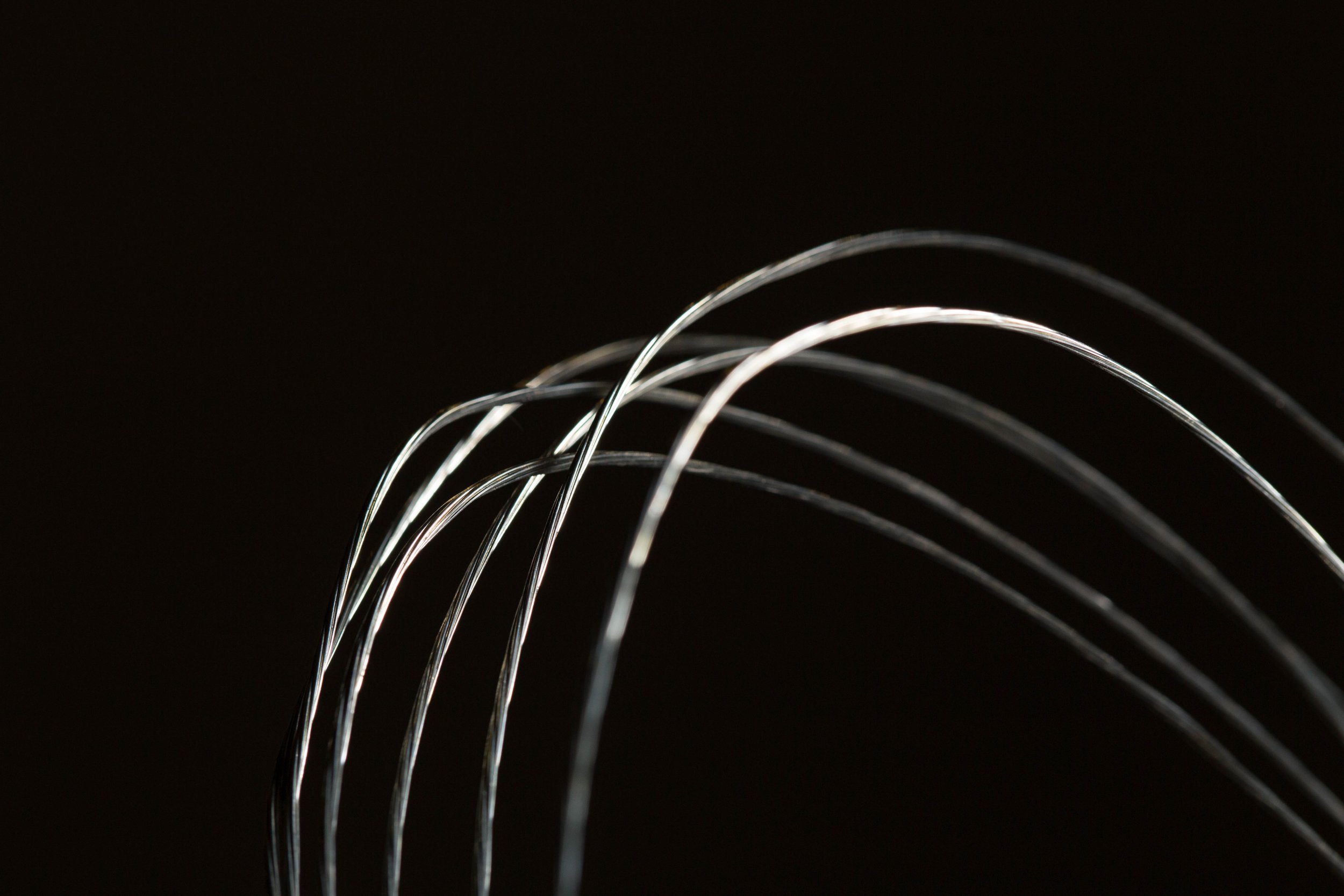
What “Class K” really means
If you’ve ever specified a flexible copper conductor and wondered whether Class K or Class M is the right choice, you’re not alone. Flexible conductors play a critical role in applications where tight routing, vibration, and repeated motion are common. In this guide, we break down what Class K copper conductors are, where they perform best, and how to specify them correctly—so you can choose the right construction the first time.
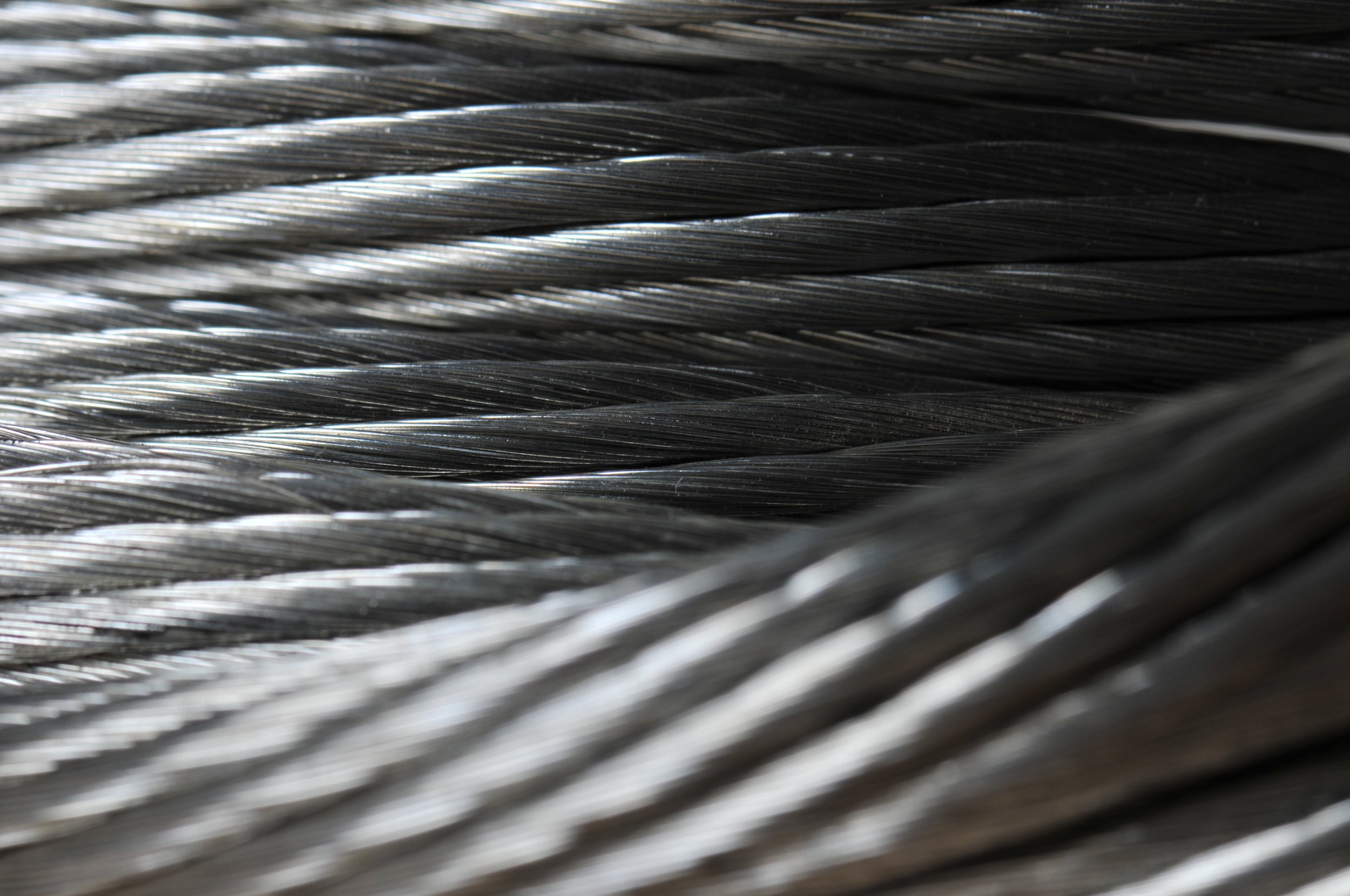
Manufacturing Insight: Tin vs. Nickel Plating — Corrosion, Solderability, Cost
Choosing between tinned copper (TC) and nickel-plated copper (NPC) isn’t just about cost—it’s about performance, environment, and long-term reliability. The right finish depends on factors such as temperature, corrosion exposure, assembly method, and service life. In this guide, we break down the key differences between tin and nickel plating and share practical tips to help you specify the right conductor the first time.
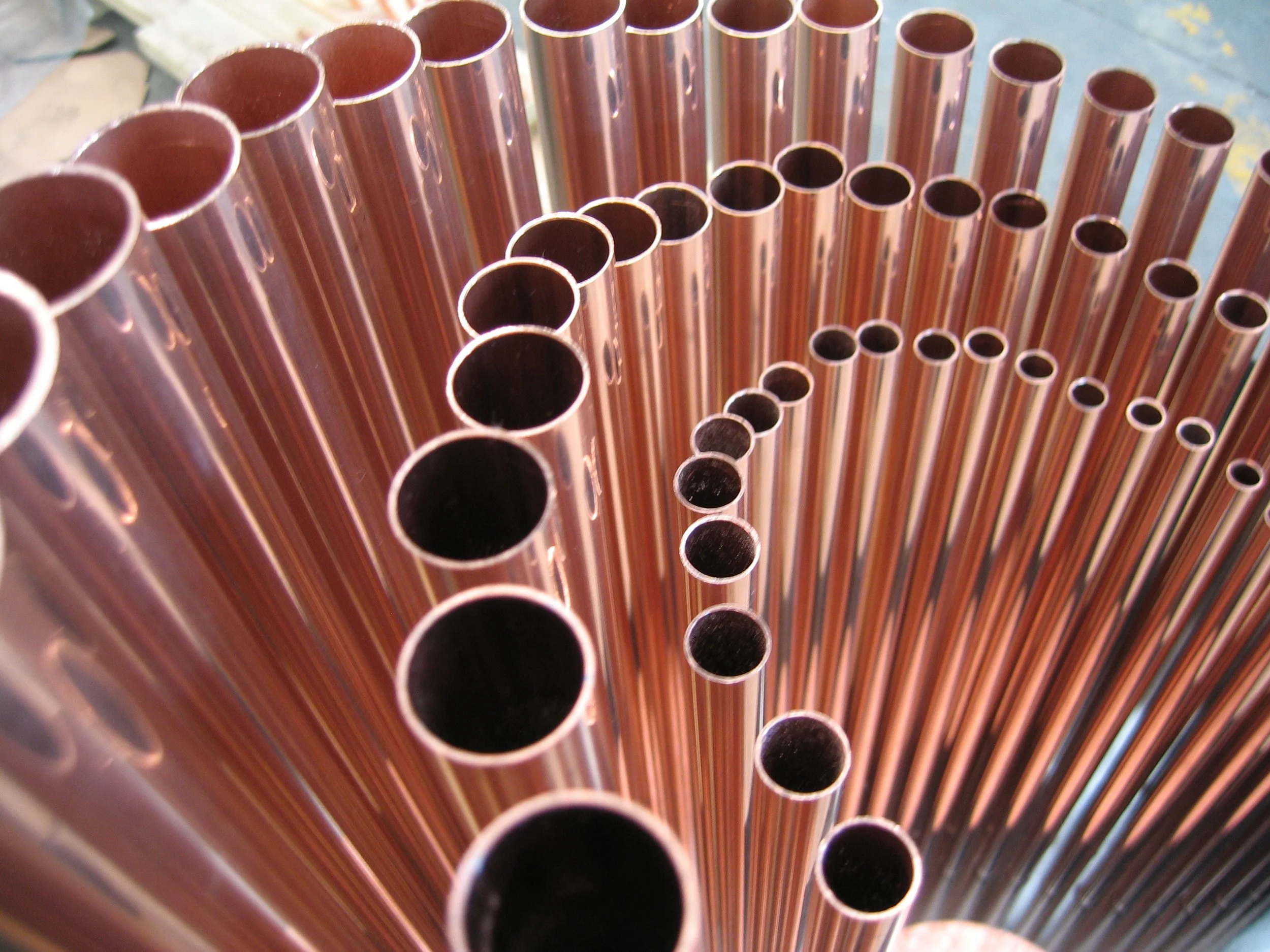
Copper vs. Aluminum in EV Cabling: When Copper Wins
Aluminum often looks attractive in electric vehicle designs because of its lower weight and material cost. However, when engineers consider conductivity, packaging constraints, efficiency, and long-term reliability, copper frequently delivers better overall value. This guide explains the real-world tradeoffs between copper and aluminum conductors in EV applications and highlights when copper is the smarter choice.
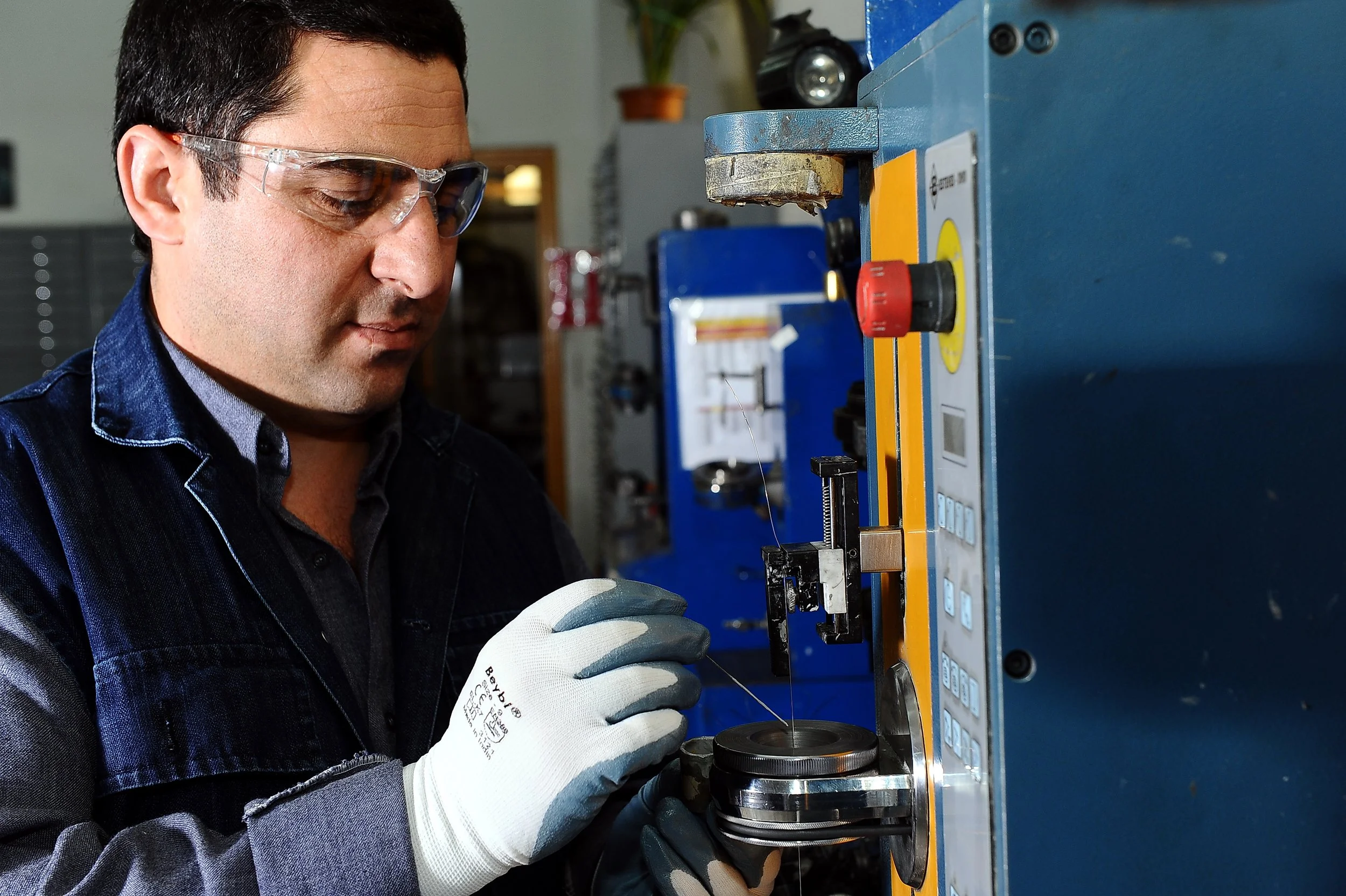
Manufacturing Insight: How laser length & weight-to-length QA work together
Accurate footage isn’t just a detail—it directly impacts your production planning, bill of materials, and installation timelines. Even small discrepancies in reel length can lead to delays, rework, or unexpected costs. In this article, we explain how combining real-time laser measurement with a weight-to-length verification process provides two independent checks that keep labels accurate and reels consistent.

Embracing Sustainability: How the Copper Wire Industry is Going Green
Environmental consciousness is no longer just a trend. It’s a necessity. Here’s a closer look at how our industry is adopting eco-friendly practices and the profound impact sustainability is having on production and business.

Understanding the Differences and Benefits of Single-End, Bunched, Multi-Wire, and Rope Lay Copper Wire
Copper wire is available in a variety of constructions, each designed to meet different performance requirements. From single-end conductors that maximize conductivity, to bunched, multi-wire, and rope lay constructions that improve flexibility and durability, selecting the right configuration can significantly impact performance and reliability. In this article, we explain the key differences between common copper wire types and where each is most effectively used.

3 Common Challenges in Wire Manufacturing (and How Sark Wire Solves Them)
The wire manufacturing industry is essential to sectors such as electronics, automotive, aerospace, and industrial equipment—but producing high-quality copper conductors is not without its challenges. Issues like raw material quality, delivery reliability, and the need for custom solutions can affect production schedules, costs, and performance. In this article, we explore some of the most common challenges manufacturers face and how Sark Wire works to help customers overcome them.

Embracing Sustainability: How the Copper Wire Industry is Going Green
Sustainability has become a critical priority across the manufacturing sector, and the copper wire industry is no exception. From responsible sourcing and energy-efficient production to recycling and eco-friendly packaging, manufacturers are adopting practices that reduce environmental impact while improving operational efficiency. In this article, we explore how sustainability is shaping copper wire manufacturing and why these initiatives matter for both the environment and the future of industry.

The Benefits of Partnering with a Domestic Copper Wire Manufacturer
In a global marketplace, sourcing materials overseas is common—but when it comes to critical components like copper wire, working with a U.S.-based manufacturer can provide significant advantages. Faster lead times, stronger quality control, responsive customer support, and a more reliable supply chain are just a few of the reasons many companies are choosing to source domestically. In this article, we explore the key benefits of partnering with a domestic copper wire supplier.

The Journey of Copper: From Raw Material to Reliable Wire
Copper wire is essential to industries such as power generation, telecommunications, automotive, and electronics. But before copper becomes finished wire, it undergoes a detailed process that includes mining, refining, rod breakdown, and precision drawing. This guide explains how copper is transformed into high-quality wire and why each stage is critical to performance and reliability.