

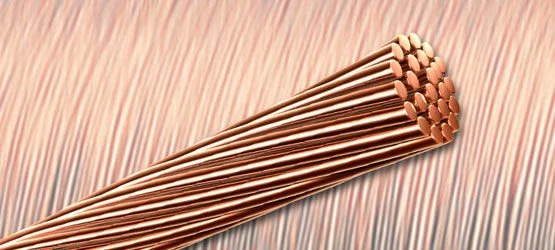
What “Class K” really means
If you’ve ever specified a flexible copper conductor and wondered whether Class K or Class M is the right choice, you’re not alone. Flexible conductors play a critical role in applications where tight routing, vibration, and repeated motion are common. In this guide, we break down what Class K copper conductors are, where they perform best, and how to specify them correctly—so you can choose the right construction the first time.
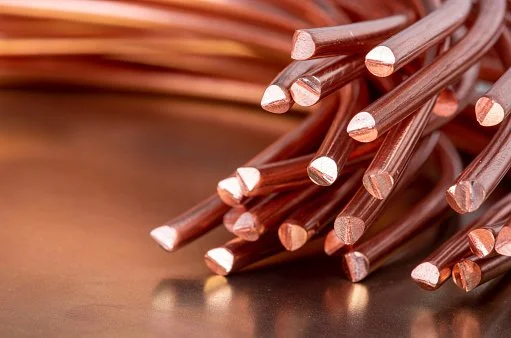
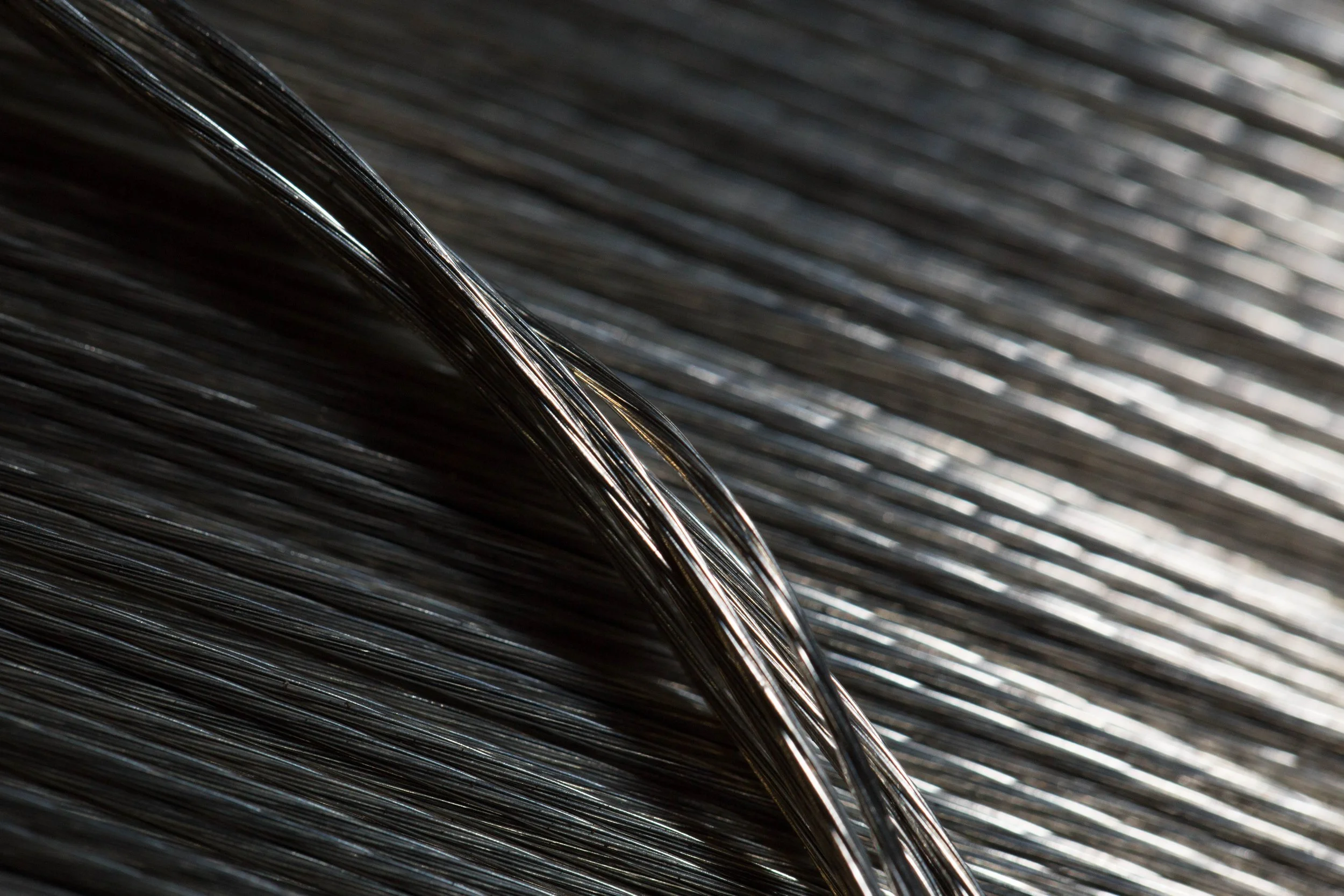
Single-End, Bunched, Multi-Wire, and Rope Lay Copper Wire
Copper wire is available in a variety of constructions, each designed to meet different performance requirements. From single-end conductors that maximize conductivity, to bunched, multi-wire, and rope lay constructions that improve flexibility and durability, selecting the right configuration can significantly impact performance and reliability. In this article, we explain the key differences between common copper wire types and where each is most effectively used.
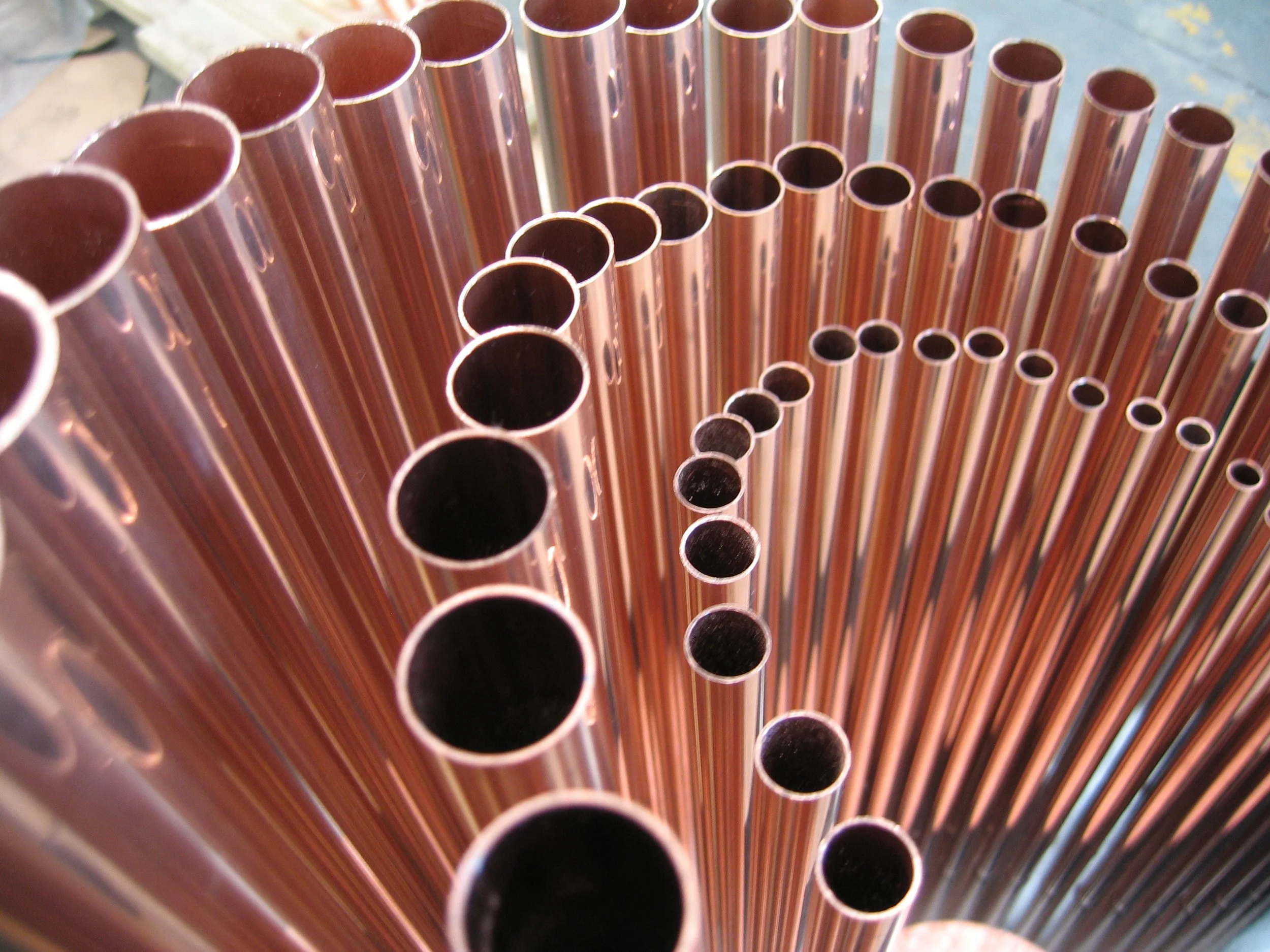
Copper vs. Aluminum in EV Cabling: When Copper Wins
Aluminum often looks attractive in electric vehicle designs because of its lower weight and material cost. However, when engineers consider conductivity, packaging constraints, efficiency, and long-term reliability, copper frequently delivers better overall value. This guide explains the real-world tradeoffs between copper and aluminum conductors in EV applications and highlights when copper is the smarter choice.